

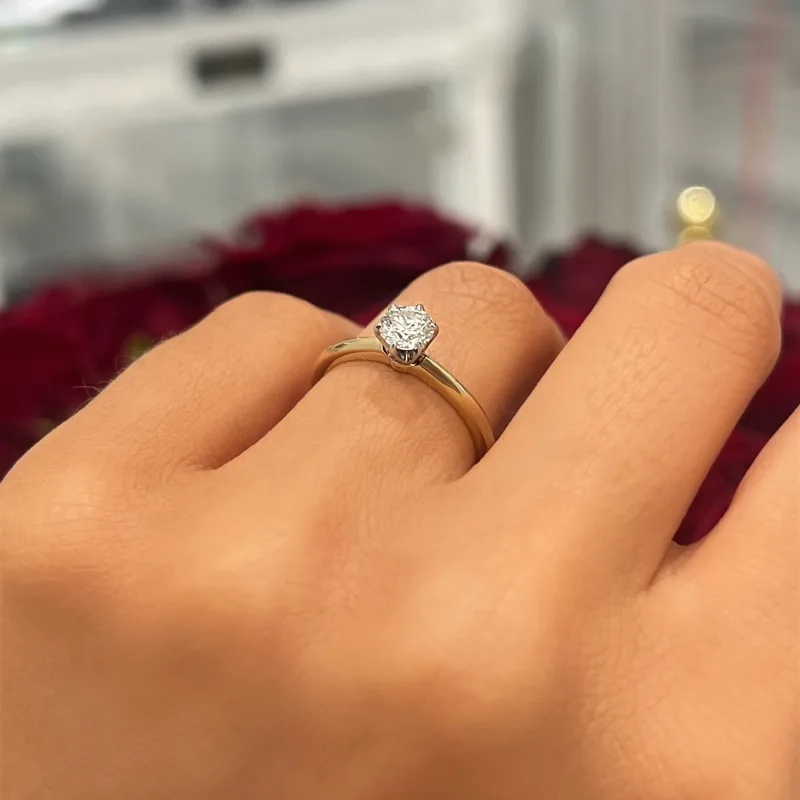
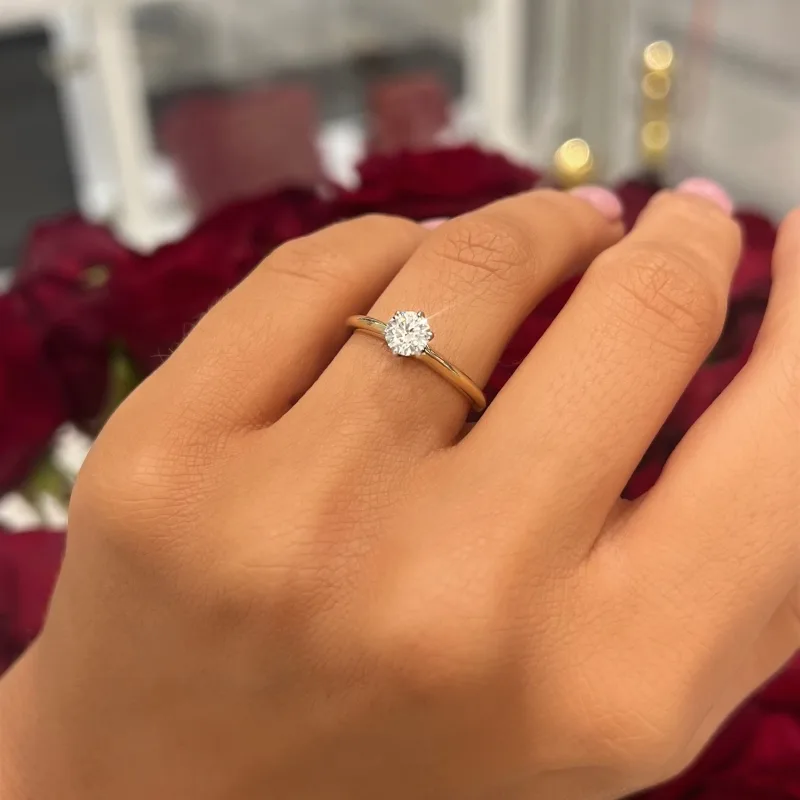
"TheTiffany ™" Engagement Ring in gold mieszane
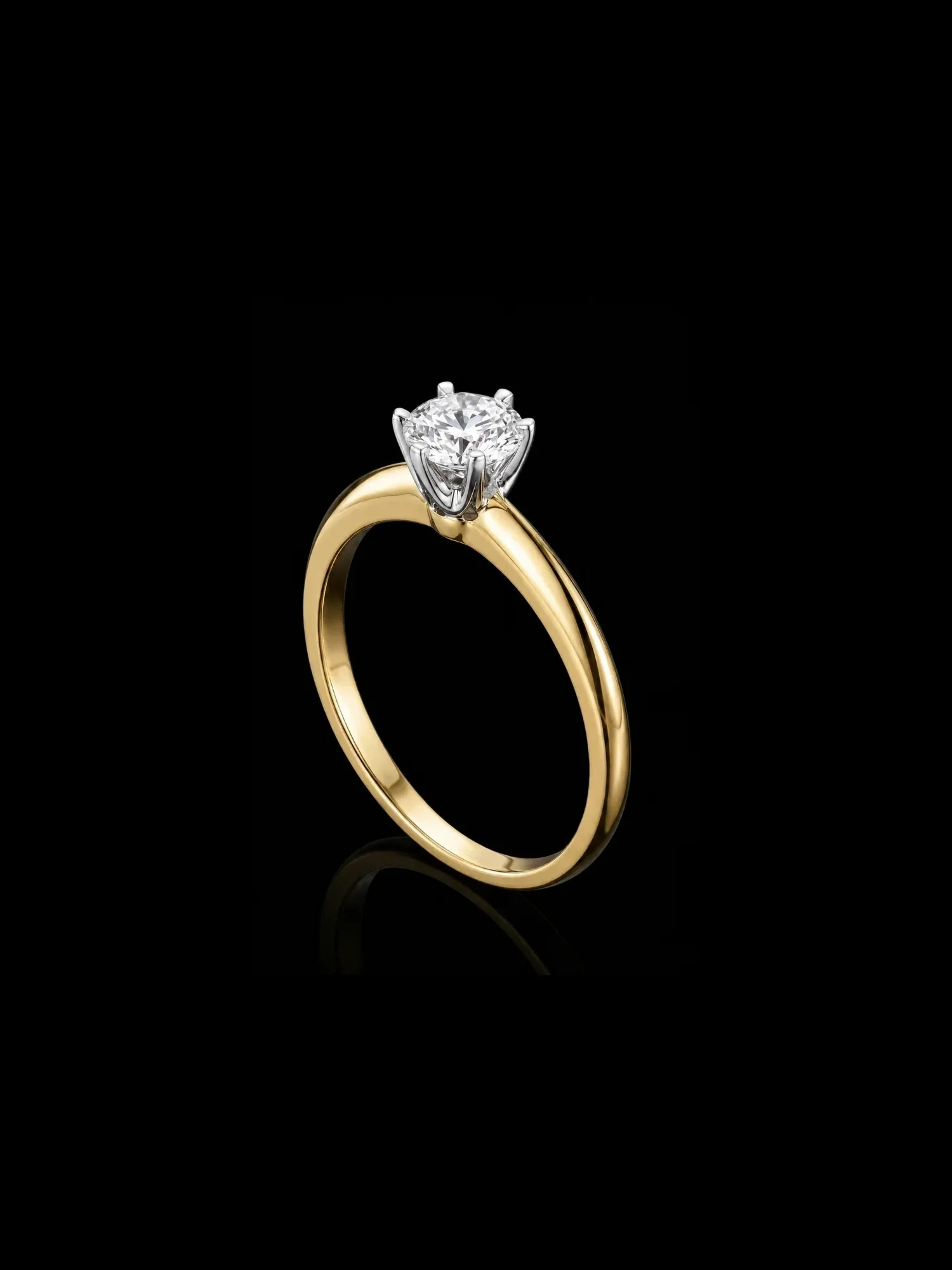
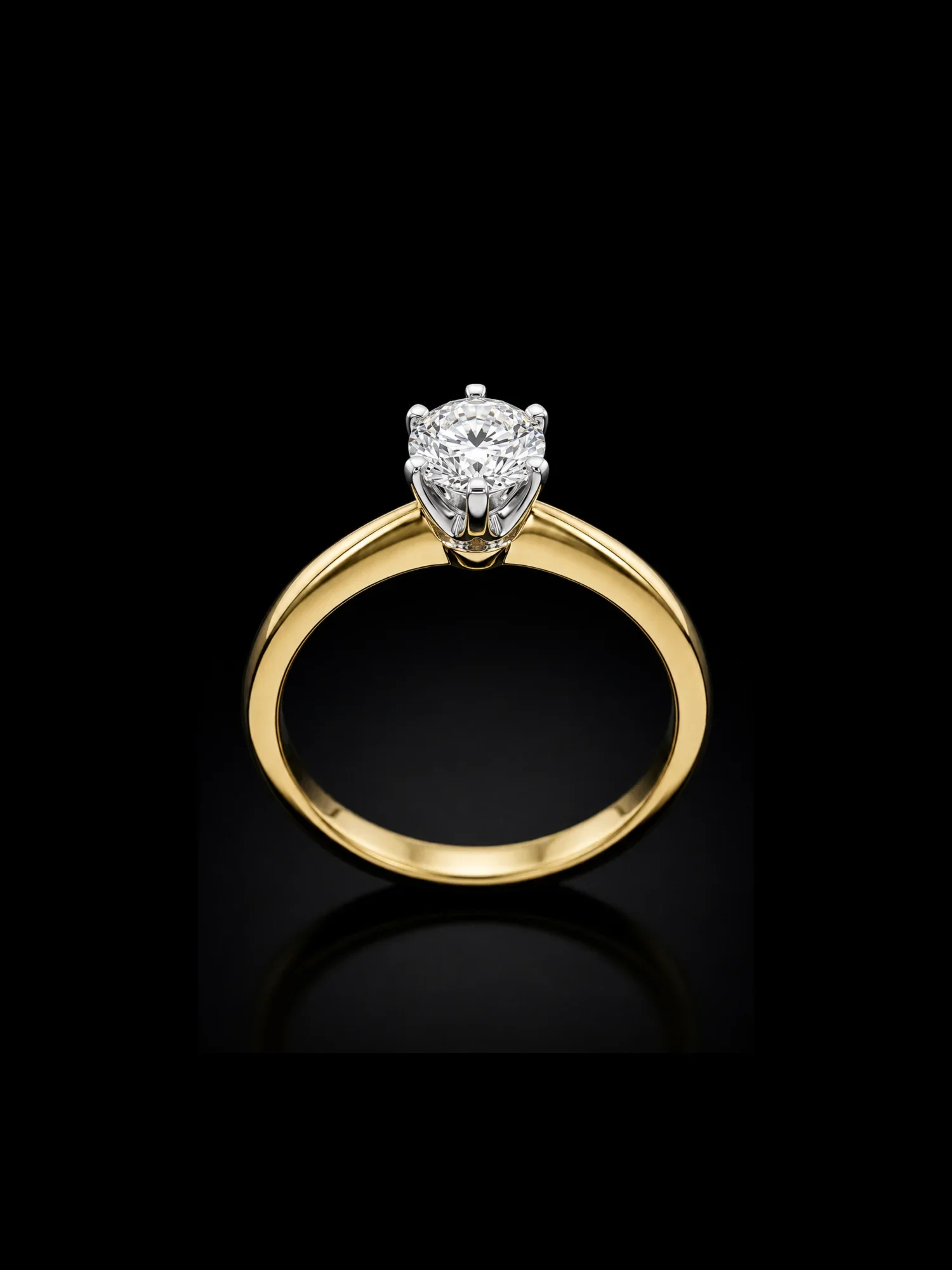
TheTiffany™ in mixed gold: 0.51-carat natural diamond, I colour, IF clarity, round brilliant cut graded Excellent and IGI documentation. M&M GOLD.
 0,51 ct · I · IF
 0,6 ct
| Material | Gold mieszane |
|---|---|
| Product weight | Approx. 2.52g |
| Center stone | Diamond, 0.51ct, round, color I, clarity IF, cut excellent, certificate IGI |
| Model | "THETIFFANY™" 0.51ct |
| Included | Certificate HRD, packaging |
| Warranty | Lifetime warranty |
| Diamond origin | NATURAL |
"TheTiffany ™" Engagement Ring in gold mieszane
TheTiffany™: natural diamonds in mixed gold
TheTiffany™ from M&M GOLD features a 0.51-carat natural centre diamond set in mixed gold. The round diamond has I colour, IF clarity, an Excellent cut grade and IGI documentation. A single centre diamond defines this version, allowing its outline and the gold setting to be viewed together.
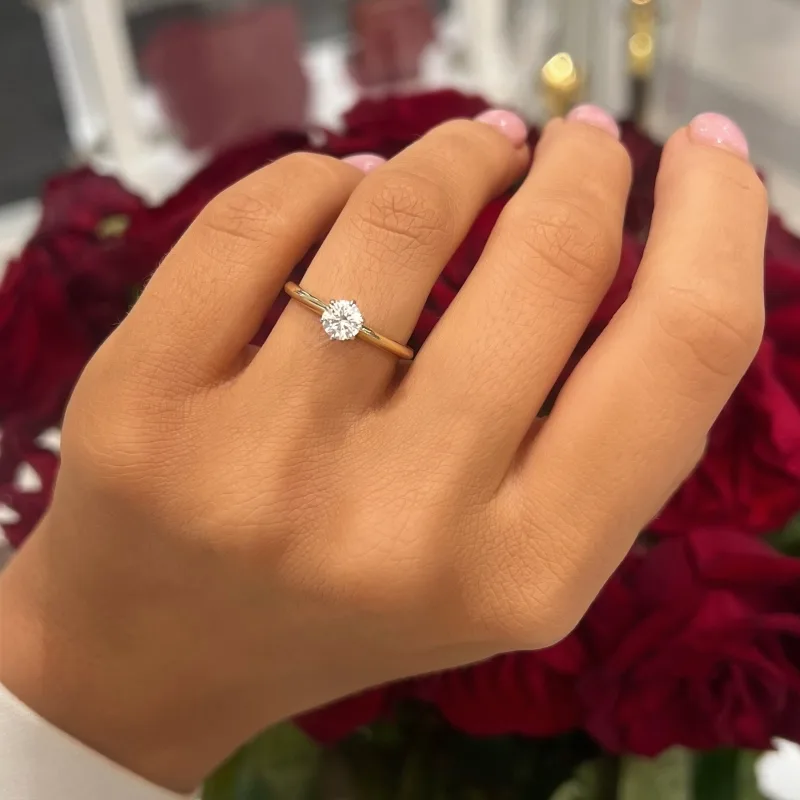
Total natural diamond weight is approximately 0.51 carats, and the complete ring weighs approximately 2.52 g. A certificate and box are included. When viewing the ring, observe the diamond’s round outline, the visible gold colour and the setting profile. Together, these elements shape the complete piece on the hand.
The 0.51-carat natural centre diamond
Carat weight and proportions
The weight of 0.51 carats describes the individual natural centre diamond. A metric carat, written ct, equals 0.2 g. When choosing a ring, consider carat weight alongside measurements, proportions and the way the diamond is set. The top view shows its surface and relationship to its surroundings, while the side view reveals the height of the complete setting.
This version has an exact centre weight of 0.51 carats. When choosing a diamond from half a carat, compare its actual outline with the hand and a preferred wedding band. A side view complements the face-up view of the diamond’s surface. Its I colour, Excellent cut grade and mixed gold setting complete the comparison. Viewing the finished ring reveals the proportions of the complete design in actual use.
IF clarity
The centre diamond has IF clarity, Internally Flawless. No internal inclusions are observed during assessment at 10× magnification in this grade. A gemologist describes the diamond’s features under specified assessment conditions. IF is one confirmed characteristic of the centre, considered alongside carat weight, colour and cut quality.
When assessing clarity, a gemologist considers the size, number, location, nature and visibility of internal and external features. Viewing the ring from a normal wearing distance reveals the complete composition on the hand. These forms of presentation supply information useful when selecting a natural diamond and the setting that surrounds it.
Light and the centre diamond's cut
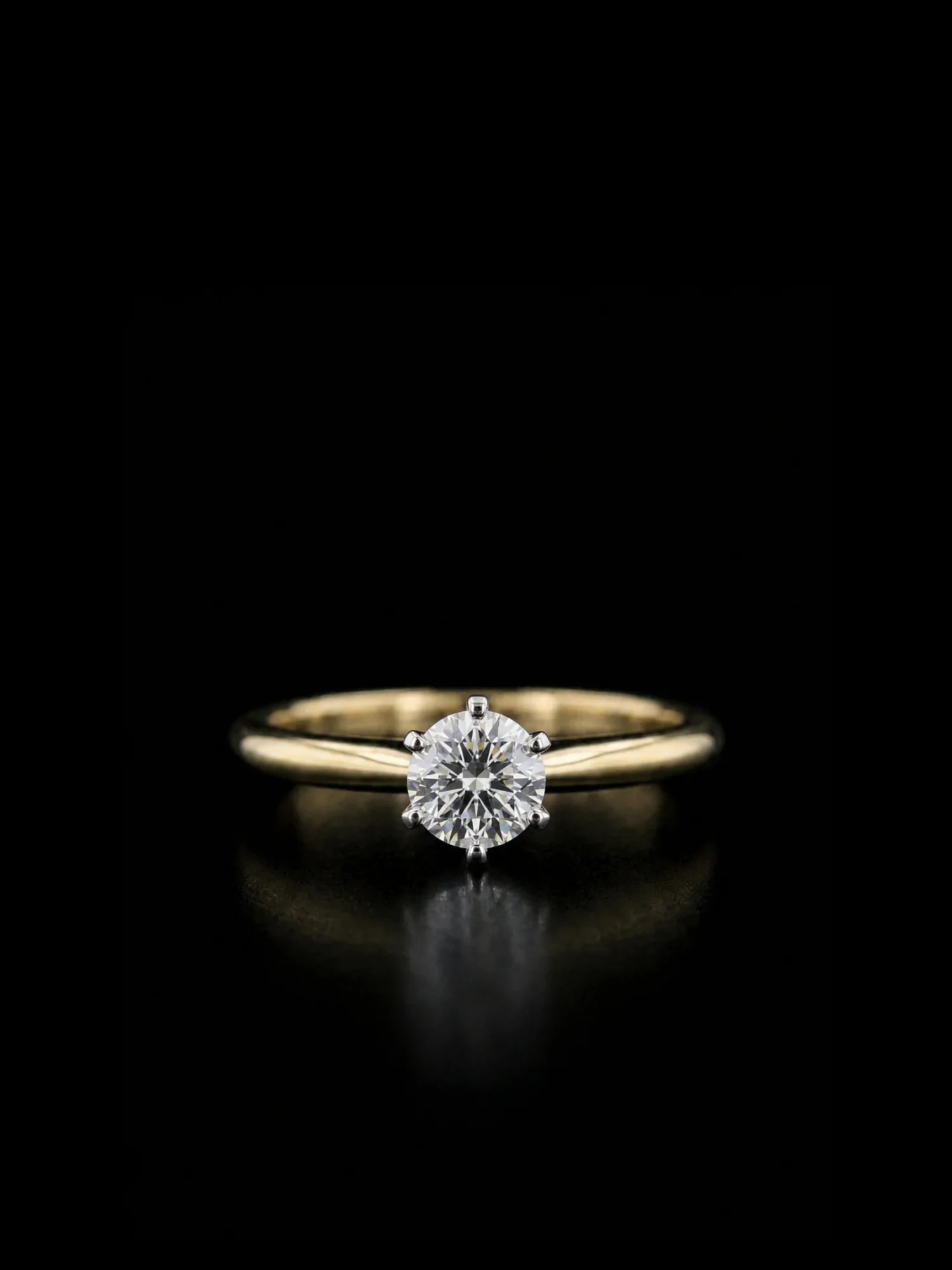
The natural centre diamond has an Excellent cut grade. Proportions and facet finish affect reflection and dispersion of light. Slowly move the round centre to observe changing light and dark areas, white reflections and coloured flashes. This forms part of viewing the individual diamond within its gold setting.
View the ring in diffuse and focused lighting. Diffuse light shows the overall appearance of the centre and gold, while focused light reveals individual flashes. Use a similar background and lighting when comparing rings. Add a side view to the top view to examine both the diamond’s surface and its position above the band.
The centre diamond's round outline
The natural centre diamond has a round shape, and its cut quality is described by the grade Excellent. Shape describes the outline, while cutting involves proportions and facet arrangement. During a viewing, look at the centre diamond's contour, reflections near its edge and its setting. These details help when comparing rings with diamonds of similar carat weight.
A composition with one natural diamond
The composition consists of one 0.51-carat natural centre diamond and its gold setting. This arrangement directs attention to a single round element. Observe the transition between the diamond’s outline and the ring’s shoulders, together with the amount of visible metal. Trying the ring on shows these proportions at actual scale on the wearer’s hand.
A single-centre composition focuses attention on the diamond’s shape and the line of the gold construction. The top view shows the outline, while the profile reveals the diamond’s position above the band. If it will accompany a wedding band, try both pieces together to assess the settings’ relative positions and the space between them.
I colour within the gold setting
The centre has I colour, within the near-colourless group of the D–Z scale. The exact letter helps compare diamonds of similar carat weight and cut. In this ring, view it together with the mixed gold colour, the visible setting elements and the complete piece on the hand.
A laboratory assesses colour under controlled conditions using masterstones. During wear, lighting, clothing and reflections from surroundings contribute to a diamond’s appearance. View the ring under neutral lighting, then under normal indoor conditions. Your personal observations can then be considered alongside the exact grade stated in the documentation.
The mixed gold setting
The ring is made of mixed gold and weighs approximately 2.52 g. Gold forms the band and diamond setting. Its colour, visible width and profile contribute to the appearance and the way the complete piece sits on the hand.
View this mixed-gold version as a complete piece, examining the shoulders, the area beside the diamond and the band. Compare its colours with a wedding band or existing jewellery during a fitting. Viewing the metal from several angles under similar lighting reveals its contribution to the composition with the natural diamond.
Natural origin and IGI documentation
M&M GOLD offers exclusively natural diamonds. The diamond in this ring formed through geological processes. Its individual characteristics are described by gemological parameters: carat weight, colour, clarity and cut. When selecting a ring, consider origin alongside the actual construction of the setting and your preferred appearance for the finished piece.
The 0.51-carat natural centre diamond has IGI documentation. A certificate and box are included. Keep the documents with purchase information in a dry, organised place. The box is useful for presenting the ring and provides separate storage between periods of wear.
Choosing a ring with natural diamonds
Comparing characteristics and construction
Start with the 0.51-carat natural diamond, I colour, Excellent cut grade and IGI documentation, together with IF clarity. Then compare the precious metal, approximate 2.52 g piece weight, profile and setting. Viewing similar rings under the same conditions lets you focus on the characteristics that matter most to the person choosing the ring.
The purchase price of a finished ring reflects the natural diamond’s characteristics, precious metal and setting construction. Consider centre weight, colour, clarity and cut quality together. Compare the current price of the whole piece with the complete description of the particular offer. Then assess the rings’ appearance, fit on the hand and relationship with preferred jewellery.
An engagement and a choice for someone close
TheTiffany™ can be chosen as an engagement ring with a natural diamond. For a gift, consider the recipient’s preferences for a single centre, gold colour and jewellery proportions. Look at the pieces they wear and whether the ring will accompany a wedding band. This information helps select a form suited to their preferences.
When trying on the ring, check its fit, freedom to bend the fingers and contact with adjacent fingers. If it will be worn with a wedding band, view both pieces together. The setting's profile and shoulder width affect how they sit side by side. Assess comfort in several natural hand positions, including with the hand relaxed at your side.
Caring for diamonds and the gold setting
Gentle cleaning
For gentle cleaning, use lukewarm water, mild soap and a soft brush. Carefully remove cosmetic residue from accessible surfaces of the diamond and setting. Pay attention to areas near the mounting, without strong pressure. Regular care lets you observe reflections on clean facets and maintain the gold surface in good condition.
Rinse the ring in a separate bowl, then dry it with a soft, clean cloth. Avoid firm pressure on small diamond settings. A jeweller should choose ultrasonic or steam cleaning after assessing the setting and the security of the diamonds. For persistent dirt, entrust the jewellery to a professional who can select a method suited to the construction's current condition.
Wearing the ring and checking its setting
Take the ring off before exercise, forceful manual work and contact with harsh cleaning products. Be mindful of the setting's profile when wearing gloves or loosely woven fabrics. Removing jewellery before these activities limits exposure of the gold and settings to pressure or catching. After taking it off, put it straight into its usual storage place.
A setting inspection covers the diamond and gold mounting. If you notice movement, a change in the centre’s position or snagging on fabric, put the ring aside and ask a jeweller to assess it. An inspection checks setting stability and metal condition before further wear. Also consider an inspection following a strong impact against the setting.
Separate storage
Store the ring in a separate soft compartment or its box, leaving room around the diamond arrangement. Keeping it separate limits rubbing against other pieces. Put jewellery on after applying hand cream, perfume and styling products. These habits help keep diamond surfaces clean and care for the gold setting between periods of wear.
M&M GOLD
Questions and answers
The most important questions about this piece — answered by M&M GOLD.
Yes, the ring contains a natural centre diamond. M&M GOLD offers exclusively natural diamonds; this ring combines natural origin with its particular characteristics and gold setting.
The centre weighs 0.51 carats. The round natural diamond is the single central element of this design; total diamond weight is stated as approximately 0.51 carats.
Ct means metric carat, a unit of weight equal to 0.2 g. When choosing a ring, consider carat weight alongside dimensions, proportions and the appearance of the complete setting.
The centre has a round outline. The facets contribute to white reflections and coloured flashes observable as the hand moves gently.
The centre has an Excellent cut grade. This confirmed characteristic is considered together with the natural diamond’s proportions, colour and other features.
Shape describes the diamond’s outline; cut quality concerns its cutting, proportions and interaction with light. During a presentation, examine both its contour and changing reflections.
The natural diamond has I colour. This letter belongs to the near-colourless group of the D–Z scale; the gold colour and lighting also influence its appearance in the ring.
The centre has IF clarity. IF means no internal inclusions are visible during assessment at 10×.
View the ring under diffuse and focused lighting. The first reveals the overall composition, while the second shows individual flashes; use a similar background when comparing pieces.
Yes, the natural centre diamond has IGI documentation. The report describes the examined diamond; a certificate and box are included with the ring.
Use the report to read the carat weight, colour, clarity and reported cutting information. Compare these details with the individual diamond and then view the finished ring.
The setting is made of mixed gold. Its colour and profile form part of the composition with the natural diamond.
Compare gold colours beside a wedding band or another piece under similar lighting. Examine the profile and the surface near the diamond to assess the whole combination.
The finished ring weighs approximately 2.52 g. This is the weight of the complete piece, including the gold setting and natural diamond.
The face-up surface depends on the diamond’s dimensions, proportions and setting. Complete the assessment with a view of the ring on the hand from a normal wearing distance.
The purchase price reflects the natural diamond’s characteristics, precious metal and construction. Compare the current price of the complete piece with the full details of the particular offer.
Compare centre weight, colour, clarity, cut and documentation, then precious metal and setting profile. View both rings under similar lighting and check how they sit on the finger.
A single-centre composition suits someone who wants to focus on an individual natural diamond. Relate the choice to the wearer’s taste and preferred jewellery proportions.
Assess fit during a fitting, checking rotation and freedom to move the fingers. Consider how the ring feels with the hand relaxed and when bending the fingers.
Try the ring and wedding band together. Check the setting profile, the space between the pieces and their relative positions as the hand moves.
A certificate and box are included. The box is useful for presenting the ring and provides separate storage.
Rarity relates to the combination of carat weight, colour, clarity and other individual characteristics of a natural diamond. Large natural diamonds occur less frequently than small ones. Assess an individual diamond through its complete set of characteristics and documentation.
Use lukewarm water, mild soap and a soft brush for gentle cleaning. Clean accessible surfaces without strong pressure on the diamond mounting.
After rinsing, dry the ring with a soft, clean cloth. Rinsing in a separate bowl reduces the risk of losing jewellery near a drain.
A jeweller should select ultrasonic or steam cleaning after inspecting the complete ring. The metal, mounting and current condition of the diamond determine the method.
Store the ring in a separate soft compartment or box. Keeping pieces apart reduces metal rubbing and contact between the diamond and other jewellery.
Remove the ring before training, forceful tasks and contact with aggressive chemicals. Put it in a consistent, secure place after removal.
Arrange an inspection if you notice looseness, a shifted diamond or the setting catching on fabric. Put the ring aside until a jeweller assesses it, also after a strong impact.
Put the ring on after applying creams, perfume and styling products. Gentle regular cleaning removes deposits from accessible diamond and gold surfaces.
For a gift, consider taste, the colour of jewellery worn, ring size and a planned wedding-band combination. Assess the round centre and gold setting as a whole design.
Newsletter
Subscribe to our newsletter. Launches, previews and private events.